
The Power of Play: Why Adults Need It More Than Ever

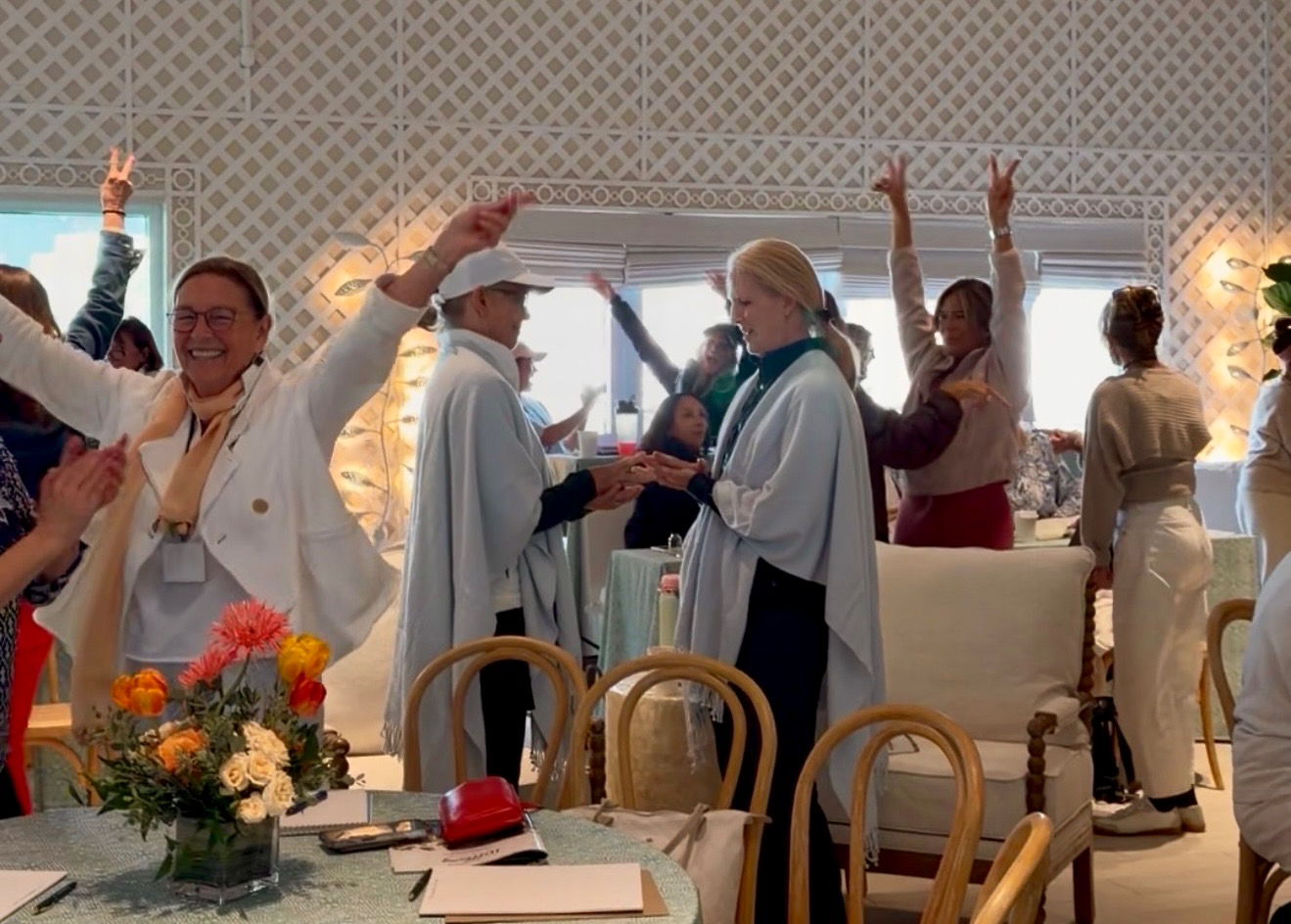
Play isn’t something we outgrow. It’s something we forgot we were allowed to keep.
As children, play was effortless. We didn’t schedule it. Analyze it. Optimize it.
We simply ran, imagined, built worlds out of nothing, and laughed hard while doing it.
Play showed up as curiosity, creativity, and pure delight. It wasn’t a “tool.” It was a way of being alive.
Then adulthood arrived.
Suddenly we were leading teams, managing households, running businesses, hitting timelines, carrying invisible emotional loads — and play slowly slipped to the bottom of the priority list.
Not because we outgrew it…but because we started believing that being serious meant being successful.
Somewhere between productivity and responsibility, we quietly learned the message:
“Play is for kids.
Work is for grown-ups.”
But here’s the truth:
Play never left us.
It still flickers to life during the laugh that breaks tension in a tough conversation…
…in the excitement of brainstorming without judgment…
…in shared movement, inside jokes, unscripted moments of genuine connection.
What Research Makes Clear
The science has caught up to what our bodies already know:
Play is not optional for adults — it’s necessary.
According to Dr. Stuart Brown and the National Institute for Play, play:
- Improves emotional regulation
- Increases creativity and adaptability
- Strengthens memory and learning
- Builds trust and social bonds
- Shifts the nervous system out of stress and into openness
And importantly — play isn’t about toys or games.
Psychologists define play as:
“A state of deep engagement where curiosity, enjoyment, and time distortion are present.”
In other words, play is the feeling of being so alive in what you’re doing that the outside pressure fades and your nervous system finally exhales.
It’s not about WHAT you’re doing —it’s about HOW you’re doing it.
And when adults experience play, even briefly, something shifts:
- Ideas move more freely
- Trust grows faster
- And people start showing up as humans instead of performers
How Play Brings Rooms (and People) Back to Life
You can feel when play enters a space. Someone speaks before they’ve “perfected” the idea. Someone laughs when tension spikes instead of tightening down. Someone finally says the truth everyone else was carefully skirting around.
The energy changes. This isn’t fluff — it’s neurobiology.
Play moves the brain from protection mode into possibility mode. It quiets the inner critic and opens the channel for clarity, collaboration, and genuine problem-solving.
This is why companies have always gravitated toward retreats, offsites, and celebrations, even before they fully understood the science behind them. They weren’t chasing fun.They were trying to recreate the feeling of being human together.
What they instinctively built…was space for play. And the beautiful part? You don’t need massive productions to unlock it.
What We See at Modern Revival
At Modern Revival, play isn’t a bonus — it’s a foundation.
Our most meaningful ideas begin inside a wide-open creative space, before logistics, budgets, or expectations narrow what’s possible.
Some of our strongest programs were born from simple, playful questions like:
“What if we mixed wisdom and movement?”
“What if growth could feel social?”
“What if depth didn’t have to feel heavy?”
One pivotal moment came when we chose to invite spiritual leaders from different traditions into one shared space — something rarely done in traditional wellness circles. That entire idea emerged not from obligation, but imagination.
The Invitation Moving Forward
Play is not the opposite of professionalism; it’s often what makes professionalism feel alive, creative, and human again.
It’s something leaders need to protect and model for their teams, their families, and themselves.
Across wellness, healthcare, finance, education, entrepreneurship, and corporate leadership, play is proving to be a powerful catalyst:
- Creativity accelerates
- Collaboration deepens
- Burnout softens
- Innovation expands
Play does not distract from meaningful work. It creates the conditions for it.
When leaders Make Space for curiosity, laughter, and imagination, cultures shift. People stop operating from pressure and begin contributing from clarity.
And leadership becomes not just effective…but deeply human.
The Bottom Line
When play is present, people come alive. And when people come alive, the work follows.
Not because they push harder, but because they finally feel safe enough to show up as themselves.
That is the bottom line.
Play is not about checking out of adult life. It is how we check back into it fully alive.
It is not childish, irresponsible, or frivolous.
Play is readiness. Play is connection. Play is aliveness.
And in a world that keeps asking us to run faster and carry more, play is how we breathe again.
In the News
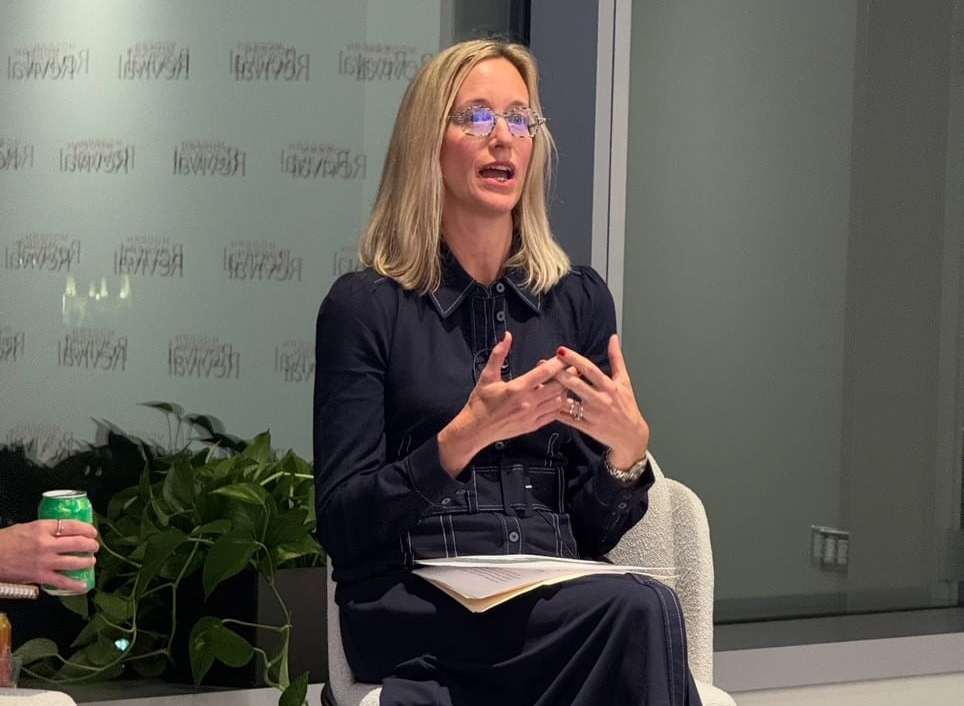
Heather Hostetter As Featured Speaker at Modern Revival Women's Experience October

Mikel Blair Of Modern Revival On How Authenticity and Vulnerability Pay Off and Help You Win Personally and Professionally

