
The Difference Between Being Polite and Being Honest

.png)
Why truth builds trust (and how to practice it in leadership)
Politeness is socially rewarded. Honesty is relationally powerful. And most of us confuse the two.
We’re taught early to be agreeable, to smooth things over, to keep the peace. In many corporate environments, that gets framed as professionalism.
But I’ve seen this over and over again: You can have a room full of polite people and still have a culture full of distrust.
Polite Doesn’t Automatically Mean Kind
Politeness often comes from a good place. Most people aren’t trying to be fake. They’re trying to be safe.
Polite language can sound like:
- “Sounds great.”
- “No worries.”
- “All good.”
- “I’m fine.”
Meanwhile, the truth sits underneath the surface:
- “I’m overwhelmed.”
- “I disagree.”
- “That didn’t sit right with me.”
- “I feel resentful.”
- “I don’t trust what’s being said here.”
When the truth stays hidden long enough, the relationship doesn’t get smoother. It gets weaker.
Why This Matters in Leadership (Especially at Work)
Most corporate conflict doesn’t begin with someone being too honest. It begins with people being quietly dishonest in the name of peace.
Teams learn to keep things pleasant on the surface while tension grows underneath. Everyone can feel it, but no one names it.
Then leaders wonder why:
- Accountability feels soft
- Meetings feel tense
- Trust erodes
- People disengage
- Strong employees leave with no warning
A culture without honesty becomes a culture of guessing.
And guessing creates stress.
What Honest Leadership Looks Like
Honesty in leadership isn’t emotional dumping, bluntness, or “telling it like it is” with no filter.
Strong leadership honesty looks like clarity.
It sounds like:
- “This isn’t working, and we need to address it directly.”
- “I’m noticing a pattern and I want to talk about it.”
- “I need more communication and follow-through.”
- “I said yes too quickly. I need to revisit that.”
- “I’m not aligned yet. Walk me through your thinking.”
Clarity builds trust faster than charm ever will.
What We See at Modern Revival
At Modern Revival, we don’t teach people how to sound better. We help them become more real.
Not dramatic. Not harsh. Not reactive.
Just honest.
Because honesty is what turns relationships into something sturdy. It allows people to stop performing and start connecting.
And connection is where insight becomes fully alive.
A Practice You Can Try Today
Here’s the simplest starting point:
Replace one automatic response with a truthful one.
Notice where you default to:
- “Sure.”
- “No problem.”
- “All good.”
- “I’m fine.”
Then pause and choose the truth.
Try:
- “I can’t take that on right now.”
- “I want to support this, but I need more clarity.”
- “I’m not sure I agree, and I’d like to talk it through.”
- “I’m feeling overwhelmed and I need to reset before deciding.”
You don’t need to overhaul your personality. You just need one honest sentence.
The Bottom Line
Politeness can keep things comfortable in the short term.
Honesty creates trust that makes teams strong, relationships real, and leadership feel human.
In the corporate world especially, truth is not unprofessional.
It’s leadership.
In the News
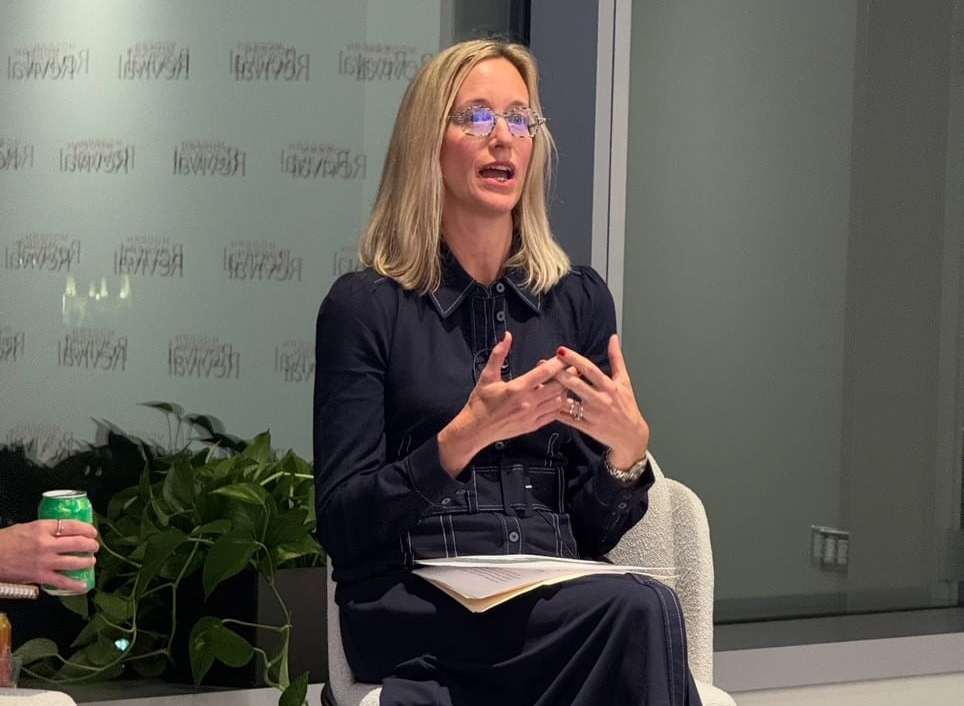
Heather Hostetter As Featured Speaker at Modern Revival Women's Experience October

Mikel Blair Of Modern Revival On How Authenticity and Vulnerability Pay Off and Help You Win Personally and Professionally

